

Why mouth ulcers sometimes fail to heal, what it could mean, and when to see a GP in the UK
A mouth ulcer not healing can be worrying, especially when it lasts longer than expected. Most mouth ulcers are harmless and clear up on their own within one to two weeks. However, a persistent or slow-healing mouth ulcer may indicate irritation, infection, or an underlying health issue that needs attention.
This UK-focused guide explains the common causes of a mouth ulcer not healing, warning signs to watch for, available treatments, and when you should see a GP or dentist.
What Is a Mouth Ulcer?
A mouth ulcer is a small, painful sore that appears inside the mouth, on the tongue, gums, inner cheeks, or lips. They often have a white or yellow centre with a red border and can make eating, drinking, or talking uncomfortable.
While occasional ulcers are common, a mouth ulcer not healing after two weeks should not be ignored.
Mouth Ulcer Not Healing for Weeks: What It Means

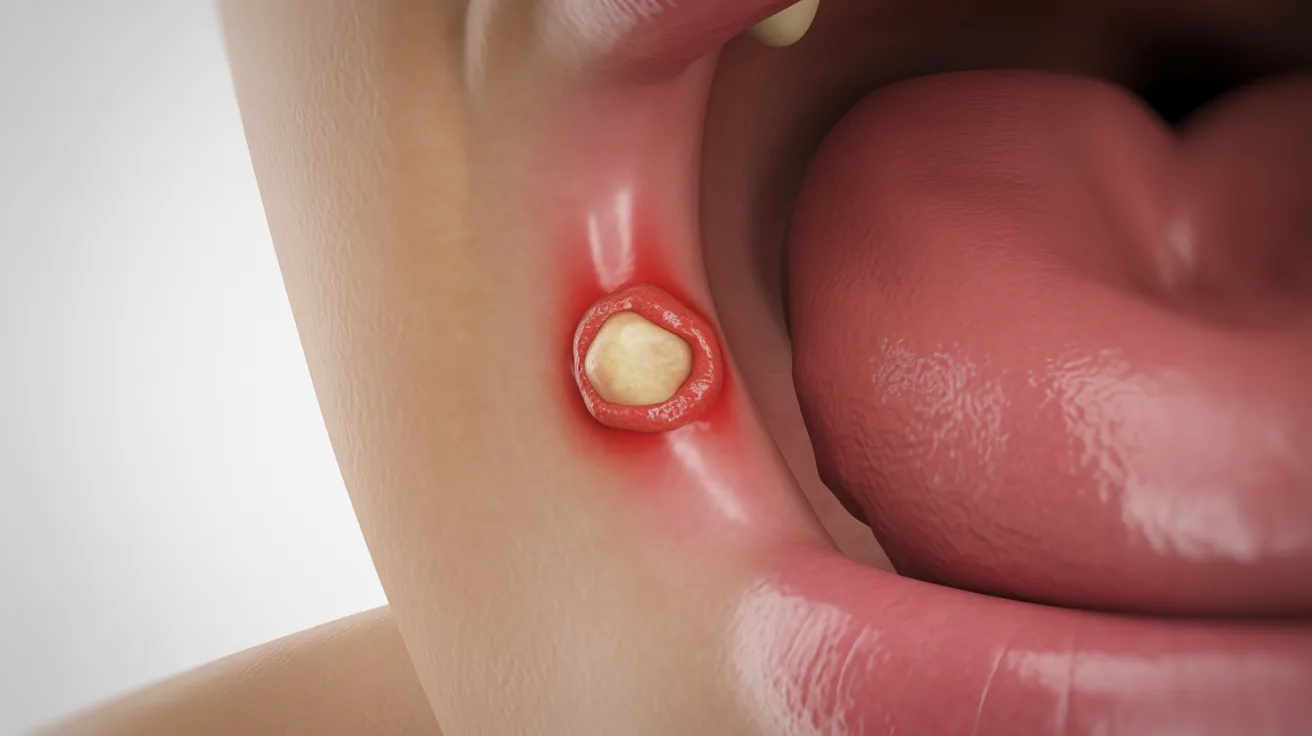
If a mouth ulcer is not healing after two to three weeks, it may be caused by repeated irritation, nutritional deficiencies, infection, or a medical condition.
Common reasons include:
-
Continuous rubbing from braces, dentures, or sharp teeth
-
Accidental biting of the cheek or tongue
-
Stress and anxiety weakening the immune system
-
Low iron, vitamin B12, or folic acid levels
In many cases, identifying and removing the cause allows the ulcer to heal naturally.
Common Causes of a Persistent Mouth Ulcer
Minor Trauma
Dental appliances, broken teeth, or aggressive brushing can prevent healing and cause the ulcer to reopen repeatedly.
Stress and Anxiety
Stress is a well-known trigger for mouth ulcers. Emotional strain can delay healing and cause ulcers to recur frequently.
Nutritional Deficiencies
A lack of iron or B vitamins may result in slow-healing or recurring mouth ulcers. Blood tests can help confirm this.
Infections
Viral, bacterial, or fungal infections (such as oral thrush) may cause mouth ulcers that do not heal easily.
Underlying Medical Conditions
Conditions such as coeliac disease, Crohn’s disease, or immune system disorders can lead to persistent mouth ulcers.
When to Worry About a Mouth Ulcer
You should seek medical advice if:
-
The mouth ulcer lasts longer than 3 weeks
-
The ulcer is growing, bleeding, or becoming more painful
-
You experience unexplained weight loss
-
There is difficulty swallowing or speaking
-
You have a history of smoking or heavy alcohol use
In rare cases, a mouth ulcer not healing may be a sign of oral cancer. Early assessment is essential.
For trusted guidance, refer to NHS advice on mouth ulcers and persistent mouth ulcer warning signs from Cancer Research UK.
How a Mouth Ulcer Is Diagnosed in the UK
A GP or dentist may:
-
Examine the ulcer visually
-
Ask about lifestyle, diet, and medical history
-
Arrange blood tests for vitamin deficiencies
-
Refer you for further investigation if needed
Early diagnosis helps rule out serious causes and provides peace of mind.
Treatment for a Mouth Ulcer That Won’t Heal
At-Home Care
-
Rinse with warm salt water
-
Avoid spicy, acidic, or rough foods
-
Use a soft-bristled toothbrush
Pharmacy Treatments
-
Antimicrobial mouth gels
-
Pain-relieving sprays or lozenges
-
Protective pastes to cover the ulcer
Medical Treatment
-
Prescription steroid gels
-
Vitamin supplements if deficiencies are found
-
Treatment of underlying conditions
Can Stress Cause Mouth Ulcers Not to Heal?
Yes. Stress and anxiety can:
-
Trigger new ulcers
-
Delay healing
-
Increase recurrence
Managing stress, improving sleep, and maintaining a balanced diet can significantly reduce flare-ups. You may also find our guide on stress-related health symptoms helpful.
How to Prevent Mouth Ulcers from Coming Back
✔ Maintain good oral hygiene
✔ Eat a nutrient-rich diet
✔ Avoid known triggers
✔ Reduce stress levels
✔ Attend regular dental check-ups
For more prevention tips, see our article on oral health care basics.
When to See a GP or Dentist in the UK
You should book an appointment if:
-
A mouth ulcer is not healing after three weeks
-
Ulcers keep returning frequently
-
Pain affects eating or speaking
Prompt medical advice ensures proper treatment and reassurance.